
Dixie County Sex Offender Checks
The Florida Sexual Offenders and Predators Search is the main public channel. FDLE manages the statewide data, and the Dixie County sheriff performs local reporting and verification work. No separate verified Dixie registry map or registration-desk schedule was found. Use FDLE first, then contact DCSO through its official route about local registration or suspected noncompliance.
A name search works best with a full identity. A geographic search supports awareness near a Dixie County address. Neither guarantees that every person who committed a sex offense will appear. Public registration depends on qualifying law and designation. A missing result is not a safety guarantee, and a displayed location can change after the last report.
Dixie Registry Designations Explained
“Sexual offender” and “sexual predator” are Florida legal designations. They are not casual descriptions and are not federal Tier I, II, or III labels. Section 943.0435 supplies key offender registration duties. Section 775.21 is the Florida Sexual Predators Act.
The official offender-registration statute is pictured below.
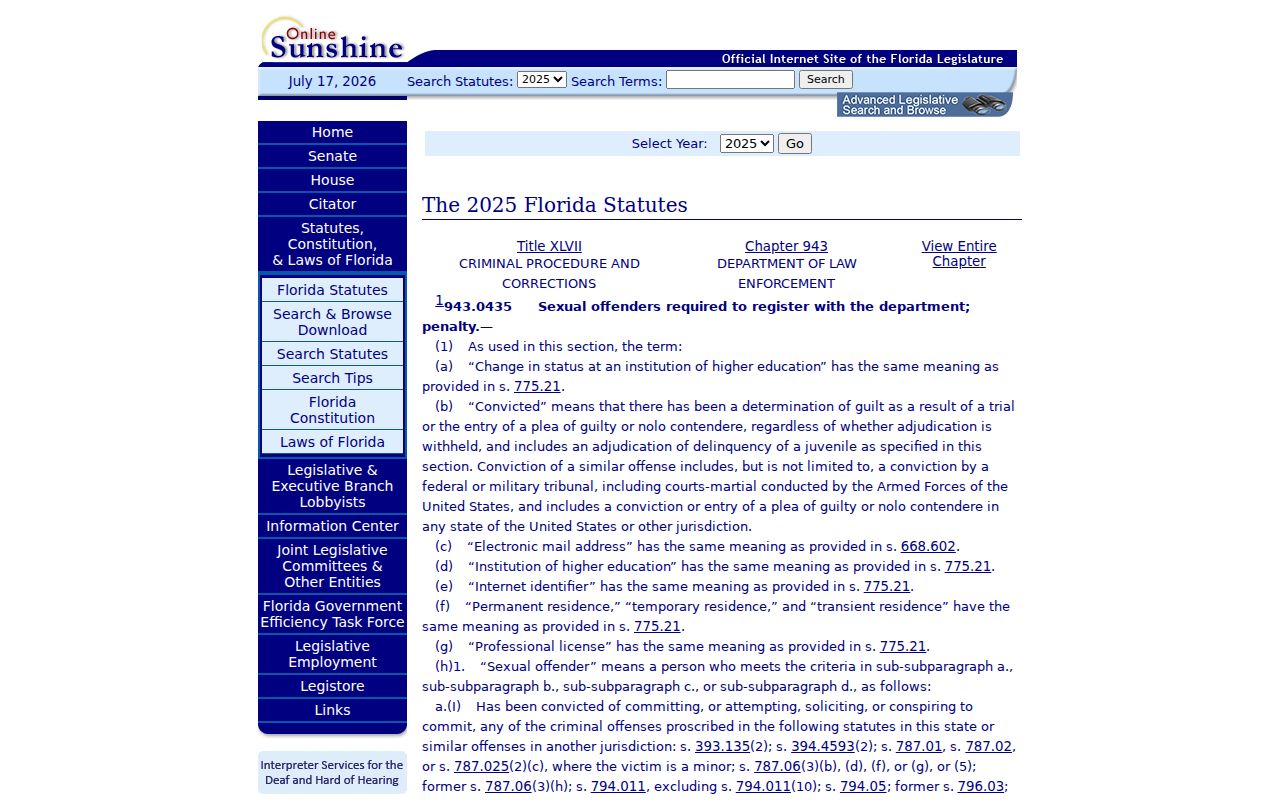
The statute is the authority for duties, while the FDLE profile is the practical public record for a registrant.
Florida Offender Registry Searches
FDLE offers name and geographic search paths. Select Dixie County or enter a local address. Radius controls and interface options can change, so follow the live labels. Review results as candidates. Open the full profile before relying on a common-name or map match.
- Open FDLE and read its conditions and accuracy cautions.
- Choose name search or geography by address, city, county, or ZIP.
- Set a radius where offered, then review map or list results.
- Open the profile and compare identity, location, status, and offenses.
| Field Label | Type | Required | Notes |
|---|---|---|---|
| Name | Text | Mode dependent | Use surname and given name. |
| Address, city, ZIP | Text | Mode dependent | Supports geography search. |
| County | Select | Optional | Select Dixie County. |
| Radius | Dropdown | Geographic mode | Options may change. |
| Map or list | Controls | No | Review spatial or listed results. |
The official FDLE registry source is shown below.
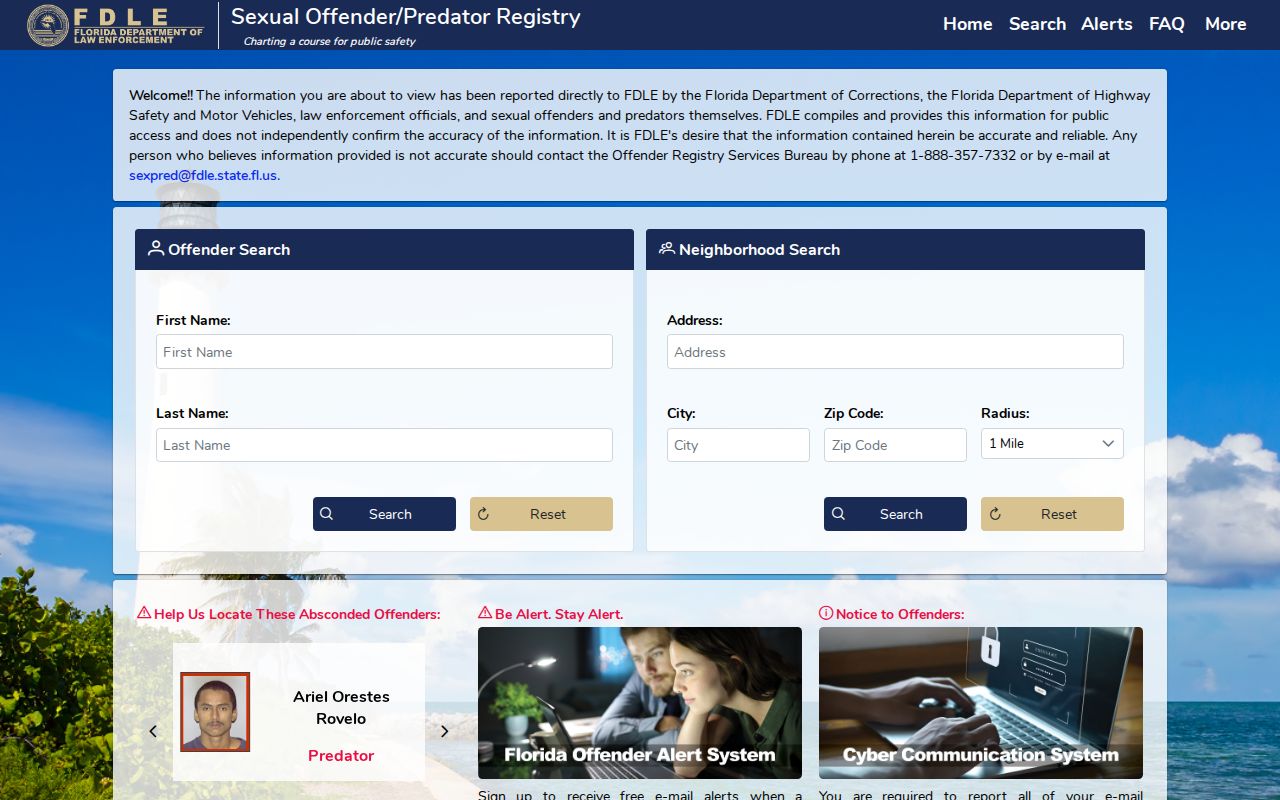
This state system is the authoritative Florida public registry search.
Verify Dixie Registry Identity
A map pin or name result is only a start. Compare legal name and aliases, photograph, physical description, scars or tattoos, address type, vehicle details, designation, status, and qualifying offense. Look for current reporting facts. Never assume that two people with the same name are the same person.
Addresses can be permanent, temporary, or transient. A registrant can move, and information passes through reporting agencies before public display. If a profile seems stale or noncompliant, contact DCSO or FDLE. Use 911 only for an emergency. Do not confront anyone shown in a result.
Registry Profiles: What They Show
The public profile combines identity, designation, location, offense, and reporting facts. It may include school or work-related registration data because Florida law requires collection of some fields, but the registry's purpose here is lawful public awareness. It is not a complete court file.
| Name and aliases | Legal identity and other reported names. |
|---|---|
| Photo and description | Image, build, hair, eyes, marks, and tattoos. |
| Registered locations | Permanent, temporary, or transient addresses. |
| Offense | Description, statute, jurisdiction, and conviction date. |
| Designation | Florida offender or predator classification. |
| Status | Reporting, compliance, and verification information. |
| Vehicles | Reported vehicle, vessel, or trailer details. |
Dixie and Cross-State Searches
The National Sex Offender Public Website helps when someone may register outside Florida. It brings participating jurisdictions together, while FDLE remains the authoritative Florida profile source.
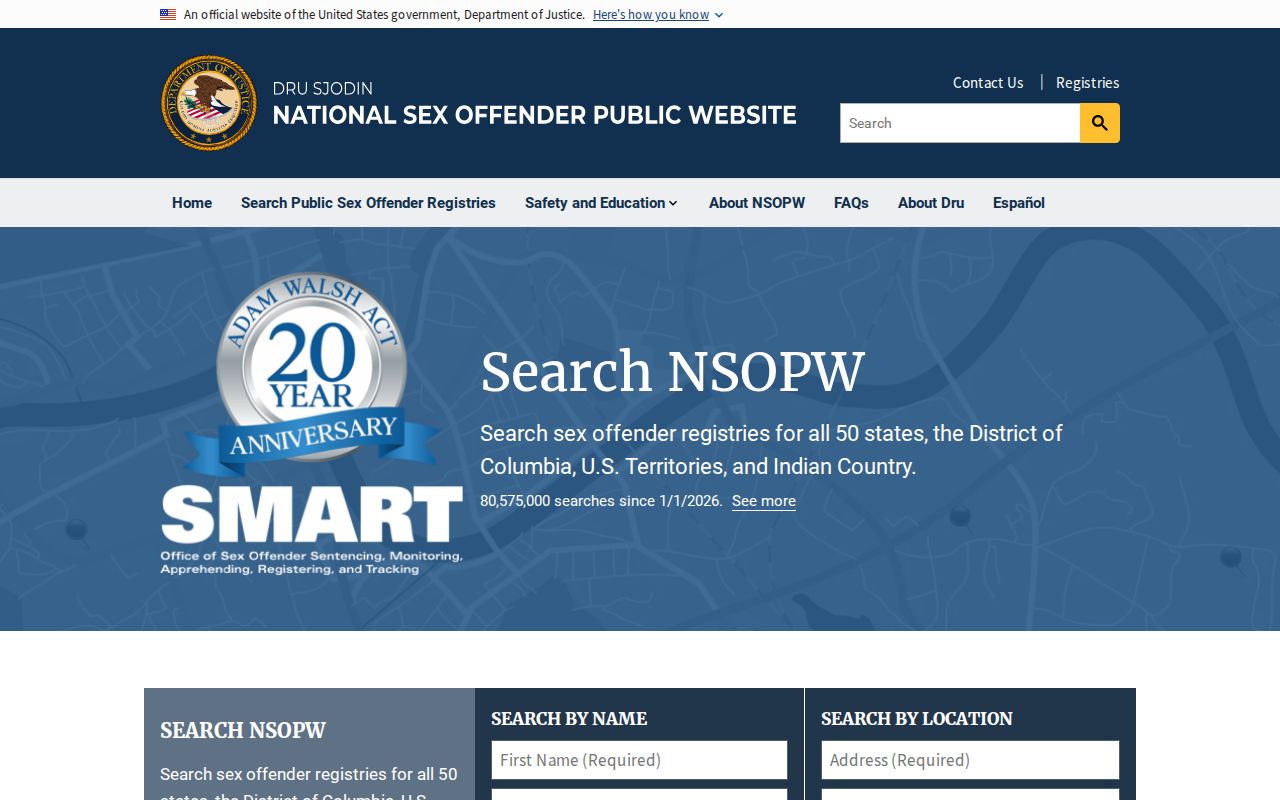
Use NSOPW for a broad sweep, then confirm Florida matches through FDLE and local reporting issues through DCSO.
Registration Levels and Duties in Florida
Florida does not publish a three-tier risk map. Duties and duration depend on the qualifying statute, designation, offense, order, and relief provisions. Many duties continue for life, subject to narrow routes. DCSO handles local registration and verification, but no current public desk schedule was located. Call before travel.
| Level / Tier | Duration | Verification Frequency |
|---|---|---|
| Florida sexual offender | Often continuing or lifetime, with narrow relief | Verify under governing law |
| Florida sexual predator | Generally lifetime | Additional designation duties |
| Federal SORNA tier | Federal concept | Not Florida's public risk label |
The Florida Sexual Predators Act is available from the Legislature.
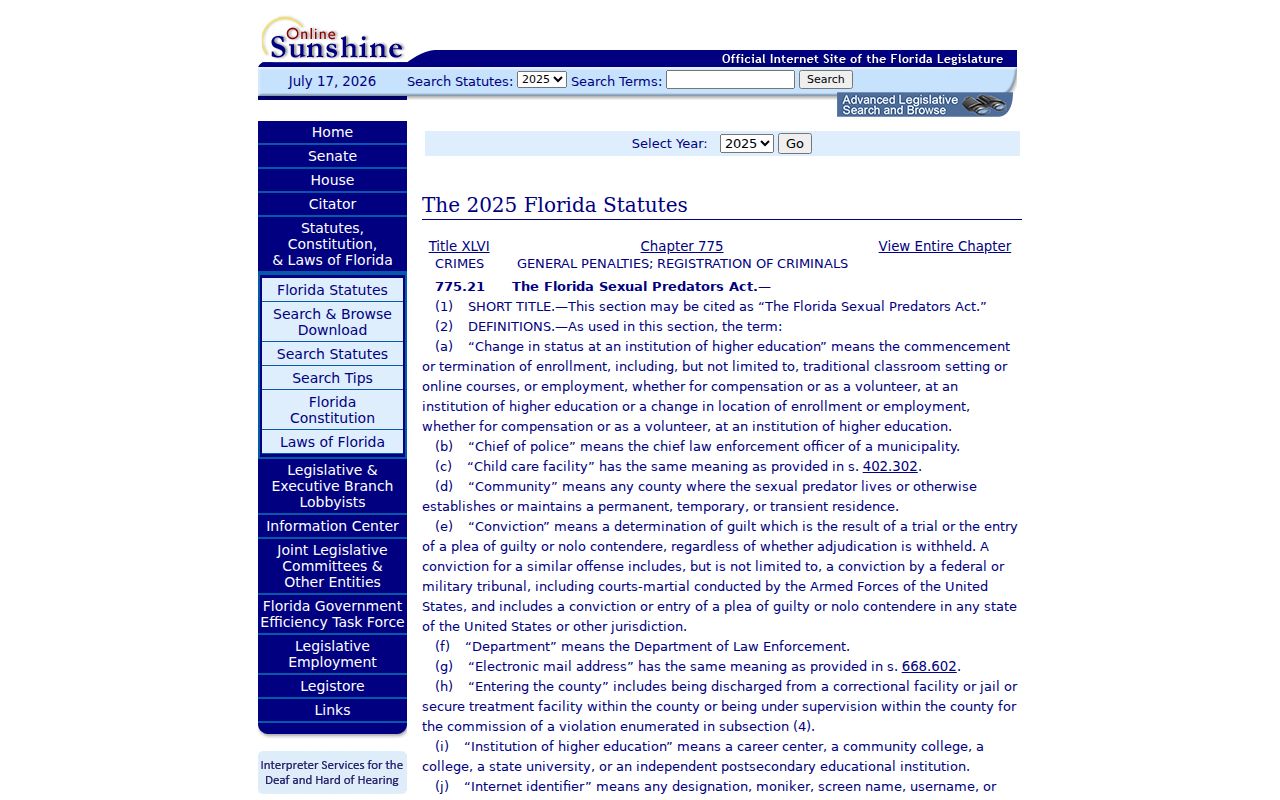
The statute explains predator designation and the state notification framework.
Missing Dixie Registry Results
Absence from the public search does not prove that a person has no sex-offense history. Not every offense triggers public Florida registration. A record can also be affected by identity, jurisdiction, status, timing, or search mode. Try both a careful name search and geography, then check NSOPW if another state may be involved.
A registry profile does not replace the court file. The profile summarizes qualifying registration facts. The clerk's case contains filings, pleas, findings, and sentence. Use each record only for the question it answers.
FDLE and NSOPW Search Scope
The FDLE registry is the primary source for a Dixie County sex offender lookup because it carries Florida's current public registration data and Florida-specific status fields. The national Dru Sjodin National Sex Offender Public Website searches participating jurisdictions together, which is useful when a person may have moved across a state line. The national layer does not replace the Florida profile. Open the contributing jurisdiction's entry, compare identifiers, and read the current address and verification fields before deciding that two results describe the same person.
Search spelling also matters. Try a full name first, then known aliases shown by an official profile. For an address search, narrow the radius enough to answer the local question without assuming every map point lies inside the same city. If the systems disagree, FDLE and the registering agency can confirm the current Florida record.
Dixie Sheriff Verification Duties
The Dixie County Sheriff's Office is the local reporting office in the state registry chain. Registrants must comply with the duties that apply to their designation and circumstances, while the sheriff receives and verifies required local information. The research did not find a reliable public schedule for a separate registration desk, appointment system, or verification hours. Anyone who must report should contact DCSO through its official site before arriving. A call can confirm the right office, current hours, documents, and instructions without relying on an old directory.
Local verification does not make the sheriff's website a second full registry. FDLE publishes the statewide public search. When a resident sees a possible address error, a status concern, or suspected failure to report, the useful response is to give DCSO or FDLE the profile identifier and precise concern. Officials can compare the public entry with nonpublic reporting facts. A resident should not attempt an independent investigation, approach the listed address, or circulate an accusation based on an uncertain map result.
Geographic searches need context in small communities. A radius can cross city limits or include rural routes, and a map marker may not convey whether an address is permanent, temporary, or transient. Open the profile. Read the address type and current status. Then check the map against the exact location used in the search. This approach is especially important around Cross City and Horseshoe Beach, where a broad county filter and a tight address-radius search can answer different questions.
Using Registry Information Lawfully
Registry information supports neighborhood awareness and safety planning. Review current status and address facts without treating the record as permission to contact, follow, expose, or punish a registrant or household. Suspected noncompliance belongs with DCSO or FDLE. An immediate threat belongs with 911.
Misuse warning: FDLE warns that registry information must not be used to threaten, intimidate, or harass. Misuse may violate Florida law, including protections tied to sections 775.21 and 943.0435.